Motivation vs Discipline: Understanding Your Nervous System
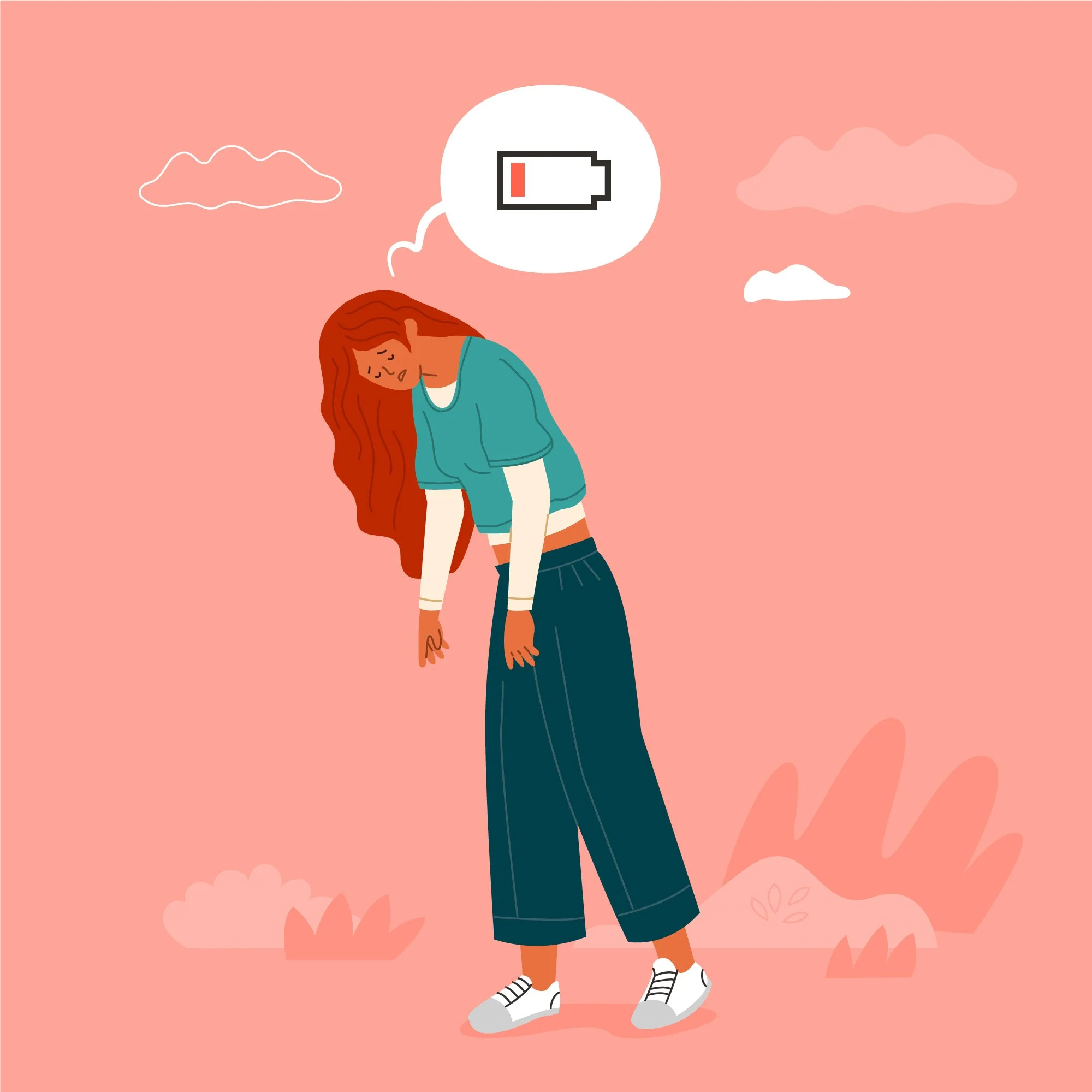
Image by Freepik
As we prepare for the new year and tradition of setting New Year’s resolutions, it is important to know you are not lazy or broken for struggling with motivation. You are a human with a nervous system that’s already working really hard behind the scenes. When you live with anxiety or depression, it can feel tough. Others seem to race ahead with ease, while you struggle to get out of bed and open your laptop. Motivation and discipline work differently when worry, fatigue, and endless "what ifs" crowd your mind.
The Myth of “Just Getting Motivated”
You may think that if you "just get motivated," everything will work out. Stick to a morning routine. Answer emails promptly. Keep up with exercise. Stop doom scrolling. You’ll finally feel like the best version of yourself. Motivation is a feeling and feelings can be tricky. This is especially true when anxiety or depression are involved. Some days, worries about work, parenting, money, or relationships fill your mind. Your body reacts as if a threat is right in front of you. This happens even when you’re just trying to reply to a simple message. On those days, motivation does not show up on its own.
Redefining Discipline
Discipline often seems cold and harsh. It feels like you must push through, no matter how you feel. But that version of discipline usually backfires when you already live with anxiety. White knuckling your way through every task can make your nervous system feel even more under siege. Then your brain starts linking important tasks to stress and dread rather than to accomplishment or relief. Real discipline isn't about punishing yourself. It's about creating gentle, repeatable habits. These habits will support you on days when motivation is missing. It’s about creating routines that are kind to your mental health and still move your life in the direction you want.
Self-Control and Mental Health
Research shows that self-control and mental health are closely linked. They affect each other in both directions. People who are able to use some self-discipline - even a little - often report fewer symptoms of depression and anxiety. The flip side is also true. High anxiety and depression make it tough to start and finish tasks. You may find it hard to stay focused, often stalling or falling into self-criticism. You might see this in your life as procrastination, avoiding tough talks, or feeling stuck when making work decisions. That freeze response is not a lack of character. It’s your brain trying to protect you from what it views as a threat.
Banishing Guilt
You may feel trapped in a cycle. You tell yourself to be more disciplined but then feel guilty when you can’t make yourself act. Guilt can grow over time. It often leads to feelings of hopelessness and increases anxiety or depression. Research shows that feeling connected to your reasons helps you keep going. It's harder to keep going when you're only seeking approval or trying to avoid shame. It’s important that your goals feel meaningful to you, not just impressive on paper. Small sparks of "I want this for me" are easier for your brain to hold onto than the constant fear of letting others down.
Fear vs. Joy: Two Types of Motivation
Another layer to this is how stress and anxiety interact with your ability to stay focused. Studies on motivation show that joy and anxiety can both drive action. However, they feel different and affect your body in unique ways. Fear about losing your job or disappointing your partner, keeps your nervous system on edge. Chronic stress and anxiety can become problematic. A little activation of stress or anxiety may sharpen your focus. However, ongoing high stress wears you down. It makes it tough to think clearly, remember details, and manage emotions. That means it is not weak to say, "I cannot live in constant pressure." It is you noticing what your brain and body can realistically carry.
If you are a working woman, chances are you are carrying more than just your own schedule. You may be juggling childcare or eldercare. You may be doing emotional work in your relationships. You might also be managing a household while trying to excel at work. Women in tough jobs often need to be flexible, productive, and emotionally available. This pressure can lead to anxiety and burnout, pushing you to your limits.
Women in high-pressure work settings benefit from internal resources. Those with hope, resilience, and a sense of purpose handle stress better. They also experience fewer mental health symptoms. That doesn't mean you should "just be more resilient." It means your inner world matters as much as your to do list.
Why Motivation Feels Impossible
When you don’t feel motivated, it may be that your body is stressed from chronic anxiety.
Generalized anxiety can appear as:
Constant worrying
Restlessness
Irritability
Trouble concentrating
Muscle tension
Sleep issues
Depression can cause fatigue, low mood, and loss of interest. It may also lead to changes in appetite and feelings of worthlessness or guilt. When you consider the energy needed to get through the day with those symptoms, it’s easy to see why your goals can feel like a mountain instead of a small hill. Seeing it this way can soften some of the self-blame and open the door to building support instead of more shame.
Discipline That Works with Your Anxiety
You can turn discipline into a tool that reduces anxiety instead of increasing it. Changing from harsh self-talk to kind, values-based motivation makes it easier to start and stick with tasks. You might focus on a few supportive practices, like:
Working in shorter time blocks
Celebrating your small wins
Linking tasks to what matters to you – whether that means:
Being there for your future self
Spending time with your kids
Protecting your finances
These changes don’t have to be dramatic. Over time, they simply make life feel more manageable – especially when you’re already carrying a lot.
It can also help to experiment with how you relate to your anxiety itself. Some mental health experts suggest viewing anxiety as a signal instead of an enemy to defeat. They recommend responding with curiosity, not panic. This doesn’t mean pretending anxiety is pleasant. It means shifting from "I must get rid of this feeling first" to "I can feel anxious and still take a small step today." Fighting against anxiety can make it feel stronger. But if you acknowledge it and take steps anyway, it loses its grip over time.
Understanding Your Stress Tipping Points
Have you ever wondered why you go from being productive to feeling stuck? Chronic stress and mental health symptoms do not affect functioning in a simple way. There can be tipping points. Too much stress can make coping harder. If you are used to being busy, you might manage fine for a bit. Then you suddenly cry over an email or need to hide in your car before going into work. It’s not because you lost all discipline overnight. It’s because there is a limit to what an anxious, exhausted brain can hold.
What to Do Next
Start Small and Meaningful
Make realistic promises to yourself. You can start small each day. Avoid big, all-or-nothing resolutions. Small steps can boost motivation and mental health. It's more effective to focus on what matters to you, instead of what you think you "should" be doing. Instead of saying you need to change everything, try spending ten minutes to plan your next day. Or try taking a short break from screens to breathe. Keeping small commitments to yourself builds trust in your follow-through. Over time, this helps support your discipline and emotional stability.
Consider Professional Support
Understanding that motivation and discipline change with anxiety and depression is the first step to better self-care.
If you’re ready to consider a therapist, consider one who understands women's anxiety and how it affects work and family life. Therapy can help you let go of harsh rules about productivity. You’ll learn skills to calm your nervous system. This way, you can make choices that align with your values. A licensed professional can help you understand your feelings. They can help you identify when stress is normal and when it might be linked to anxiety or depression. This way, you can find the right support and treatment options without going through it alone.
Coral Rose Counseling provides compassionate support for women navigating anxiety. We provide quality, compassionate virtual sessions for women living in Georgia and Virginia. Contact us today to book your free consultation. Start creating a wellness path that suits your unique journey.
FAQ- Understanding Motivation vs. Discipline
Why do anxiety and depression make motivation feel impossible? Anxiety and depression impact both your brain and body. They raise stress, worry, and fatigue. This drains the energy you need for motivation. Your nervous system can be in overdrive. This makes it tough to start or finish tasks. Low motivation is a symptom of your condition, not laziness or weakness.
How can discipline help when motivation is low? Discipline builds structure and consistent habits, which provide stability for your mental health. Small, simple routines done regularly can help with emotional control. They can lower anxiety and create steady progress. Discipline is about compassionate persistence, not harsh self-criticism.
How do I cultivate discipline? Here are some practical steps to create discipline while managing anxiety:
Set Clear Goals: Define what you want to achieve. Break big goals into smaller, manageable tasks.
Create a Routine: Stick to a daily schedule. Consistency can help reduce anxiety.
Practice Mindfulness: Take a few minutes each day to breathe deeply or meditate. This can calm your mind.
Be Active: Regular exercise can improve mood and energy levels. Even a short walk helps.
Limit Distractions: Identify what distracts you and minimize those interruptions. This keeps you focused.
Seek Support: Talk to friends or family. Sharing your feelings can ease anxiety.
Celebrate Small Wins: Acknowledge your progress, no matter how small. This boosts motivation.
Be Flexible: Be open to adjusting your plans if needed. Flexibility can reduce stress.
Remember:
Starting with small, meaningful goals aligned with your values is key. Build flexible routines that can change as needed. Practice self-compassion. Also, think about getting professional help, like therapy. This can help you create personal strategies that support your nervous system.
References
Harvard Gazette. (2024, January 11). When fighting anxiety is worse than pointless. https://news.harvard.edu/gazette/story/2023/10/when-fighting-anxiety-is-worse-than-pointless/
Li, X., Zhang, Y., & Wang, J. (2023). More sense of self-discipline, less procrastination: The mediation of autonomous motivation. Frontiers in Psychology, 14, 1307074. https://doi.org/10.3389/fpsyg.2023.1307074
Mayo Clinic Staff. (2017, October 12). Generalized anxiety disorder: Symptoms and causes. Mayo Clinic. https://www.mayoclinic.org/diseases-conditions/generalized-anxiety-disorder/symptoms-causes/syc-20360803
Mayo Clinic Staff. (2022, December 6). Addressing your mental health by identifying the signs of anxiety and depression. Mayo Clinic Health System. https://www.mayoclinichealthsystem.org/hometown-health/speaking-of-health/addressing-your-mental-health-by-identifying-the-signs-of-anxiety-and-depression
Mayo Clinic Staff. (2025, July 28). Anxiety disorders: Symptoms and causes. Mayo Clinic. https://www.mayoclinic.org/diseases-conditions/anxiety/symptoms-causes/syc-20350961
Martínez de la Cruz, M., Pérez, A., & Sánchez, L. (2025). Women's mental health in the doctoral context: Protective function of psychological capital and academic motivation. Frontiers in Psychology, 16, 1138457. https://pmc.ncbi.nlm.nih.gov/articles/PMC11783562/
Zhang, W., Liu, F., & Chen, L. (2025). Motivated with joy or anxiety: Does approach--avoidance goal framing matter for well-being? Current Psychology. Advance online publication. https://pmc.ncbi.nlm.nih.gov/articles/PMC11078806/
Ziegler, N., Ramírez, G., & Parent, N. (2023). The relationship between self-control and mental health problems: A network analysis. Frontiers in Psychiatry, 14, 1288731. https://pmc.ncbi.nlm.nih.gov/articles/PMC10644003/